
Home / FAQ
Frequently asked questions
CELIVION LIN J / FAQ
Product questions. Clear answers.
Find the essentials, from material composition to product documentation.
Updated: November 15, 2026No matching questions. Try another keyword or contact the team.
01 / CELIVION LIN J
Product essentials
Material basics, comparisons and common enquiries.
C1ECM, dECM and collagen: what exactly are they?
Understand them with a house analogy. ECM: extracellular matrix — The natural environment around cells. dECM: decellularized extracellular matrix — The “framework” left after cells are removed. Collagen: an important component of ECM — Like a house’s “building materials”.

ECM: extracellular matrix
The natural environment around cells
dECM: decellularized extracellular matrix
The “framework” left after cells are removed
Collagen: an important component of ECM
Like a house’s “building materials”
Remember: they are not the same thing. They operate at different levels and have different roles.
C2What is hADM?
hADM means human acellular dermal matrix. Processing removes cellular and fatty components while retaining an extracellular matrix (ECM) containing collagen, elastin and glycosaminoglycans. Celivion Lin J is a processed tissue matrix, not a live-cell product.
C3How does Celivion Lin J differ from a hyaluronic acid (HA) filler?
How they work: filling vs. regeneration
Hyaluronic Acid (HA): Its core functions are physical filling and hydration. Think of it as a “space filler”: it absorbs water to support depressed areas of skin, creating immediate fullness and smoothing wrinkles. Its main goal is to “replace what is missing” and address a specific problem.
ECM (Extracellular Matrix): It acts more like a “regenerative scaffold.” Skin cells are the “seeds,” and ECM is the “soil” in which they grow. By providing a three-dimensional structure similar to the skin’s own matrix, ECM materials guide and stimulate your own cells to regenerate collagen, elastic fibers and hyaluronic acid, thereby repairing and rebuilding the skin at its foundation.
Results and appearance: immediate vs. long-lasting
Hyaluronic acid: Its advantage is speed—you can see a filling effect immediately after injection. Its drawback is a limited duration, usually 6–18 months, requiring regular replenishment. Incorrect placement or excessive amounts may sometimes produce a puffy appearance or stiffness during facial expressions.
ECM: Its aim is long-lasting improvement in skin quality and structural rebuilding rather than immediate filling. Because it stimulates regeneration of your own tissue, the results are more natural and, in theory, last longer. It is better suited to broader concerns such as laxity, dullness and acne scars that require repair of the skin’s “foundation.”
How to choose: focus on your main needs
Simply put, the choice depends on your main concern:
Choose hyaluronic acid if you:
- Want immediate results, such as quickly filling nasolabial folds or enhancing the chin or cheeks.
- Mainly want physical shaping or correction of localized depressions.
- Accept regular maintenance and a relatively predictable duration.
Choose ECM-based procedures if you:
- Seek long-lasting, natural improvements in skin quality and want to improve firmness and elasticity at the foundation.
- Face broader signs of aging, such as laxity, roughness or photoaging.
- Want to repair the skin’s “foundation,” for example by improving acne scars or barrier problems in sensitive skin.
In one sentence
- Hyaluronic acid is like “adding material” to the skin: it fills directly and works quickly.
- ECM is like “rebuilding the foundation”: it guides the body’s own regeneration for more natural, longer-lasting results.
C3.1Are hADM injections safe?
Human acellular dermal matrix (hADM) has been used in surgery for more than twenty years, including burn repair, breast reconstruction and hernia repair. Numerous operations have demonstrated that the human body tolerates it very well, with no rejection reactions during years of clinical use.
- After cells are removed, the components that cause rejection are essentially eliminated, so no skin test is needed. This is an advantage over collagen products.
- The sterilization dose (15–30 kGy), residual DNA specification (below 50 ng/mg) and tissue bank licensing make it safer than collagen extracted from pigs and cattle.
C4How should I read the safety information for Celivion Lin J?
Celivion Lin J comes from a South Korean KOSDAQ-listed corporate group specializing in the research, development and production of raw materials for medical aesthetics and pharmaceuticals, supplying tens of thousands of medical aesthetic clinics in Korea and worldwide.
C5Which areas can Celivion Lin J be used for?
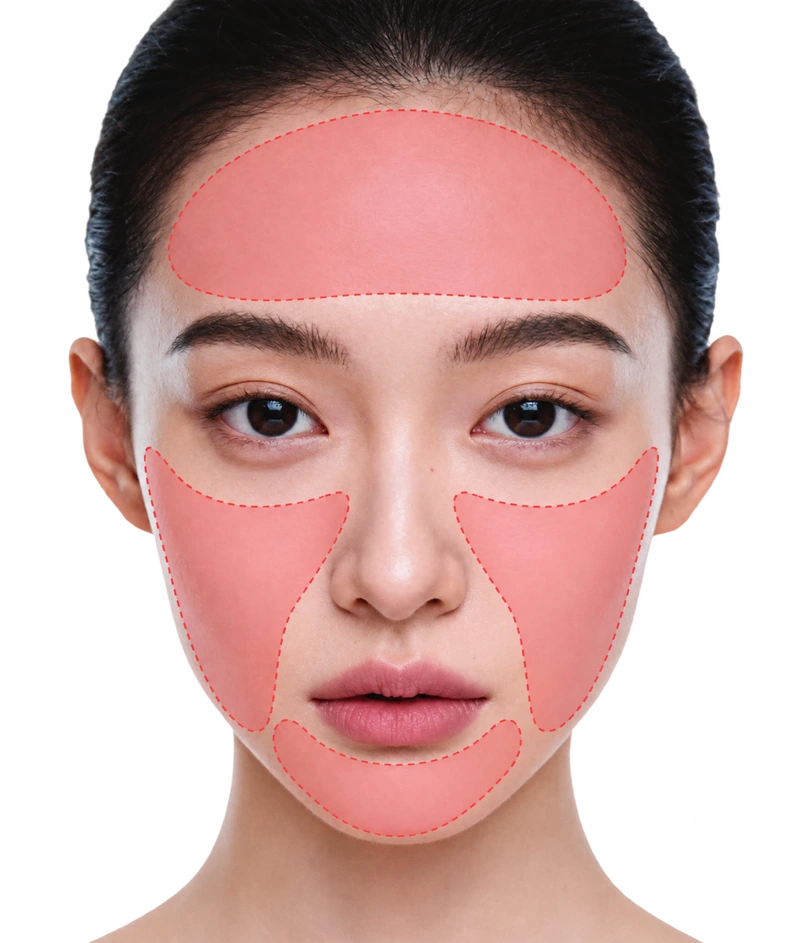
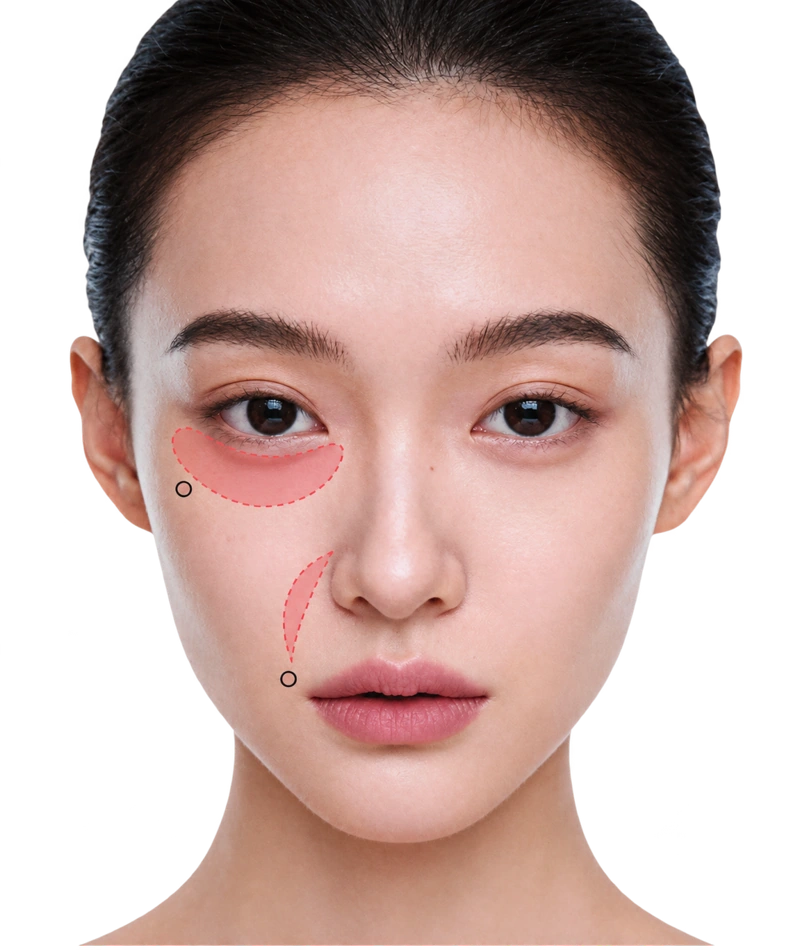
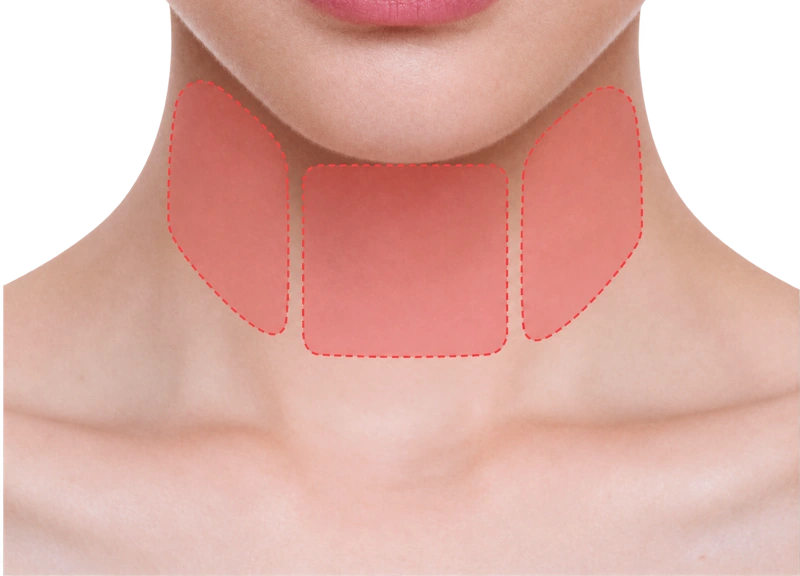
Full-face filling; under-eye areas, nasolabial folds and marionette lines; neck-line treatment for a graceful neck; skin-rejuvenating booster injections. Some hospitals also use the product for regenerative repair management of the male and female reproductive systems.
C6Who is CELIVION Lin J hADM suitable for?
- People seeking improvement in fine lines and wrinkles
- Enlarged pores and imbalanced skin oil and moisture
- Skin that remains dry despite skincare products and skin treatments
- Loose, dull skin that has lost its radiance
- People seeking preventive supplementation and improvement in skin aging
C6.1Can swelling, redness or bruising occur afterward?
Temporary swelling, redness and bruising may occur at the injection site. Depending on individual constitution, these last approximately 1–3 days.
C7How many sessions are needed, and how long do results last?
Noticeable improvement at the treated area begins after the third day following injection. Visible changes usually take about 7–10 days and appear gradually. For skin booster treatment, a basic course of three sessions over three months is recommended. As a long-lasting treatment product, effects can last up to approximately two years. Actual results vary with individual constitution and lifestyle.
C8How much does one Celivion Lin J hADM injection cost?
celivionus.com does not publish treatment prices for Los Angeles or other regions and does not provide a standardized fee schedule.
According to data published by relevant Korean hospitals, the price per syringe of Celivion Lin J hADM is around KRW 1.3 million, approximately USD 1,000.
C10Can Celivion Lin J hADM be used with other hyaluronic acid products or mesotherapy cocktails?
The product itself delivers very good effects. In theory, combining it with other active ingredients may produce better results. Please consult your local dermatologist about the specific products and mixing ratios.
C11Where is Celivion Lin J made, and who operates the North American website?
The product catalog and user guide identify Celivion Lin J as made in Korea. Celivion North America operates the North American website. This site uses the name Celivion Lin J; the spelling LinJ remains unchanged in original packaging and document images for accurate source comparison.
C12Can I buy Celivion Lin J directly on this website?
No. celivionus.com provides company and product education and preliminary promotion. It does not accept online orders or payments or ship products directly. Email [email protected] for company or product information.
02 / CELIVION LIN J
Use & documentation
User-guide information, laboratory data and document requests.
P1How does the user guide describe reconstitution?
The 2026 user guide gives a basic formula of Celivion Lin J 150 mg with 5 cc of normal saline, for a total volume of 5 cc. It describes connecting two syringes with the supplied connector, hydrating for about two minutes and mixing thoroughly. Remix any separation before use. The User Guide page contains the full steps and original images.
P2Which HA and lidocaine formulas are listed in the guide?
All examples use Celivion Lin J 150 mg: basic, 5 cc saline; full-face HA example, 3.5 cc saline + 1.5 cc non-cross-linked HA; neck HA example, 7.5 cc saline + 1.5 cc non-cross-linked HA; lidocaine example, 3 cc saline + 1.5 cc non-cross-linked HA + 0.5 cc of 2% lidocaine. Total volumes are 5, 5, 9 and 5 cc respectively. See the full mixing table in the User Guide.
P3Where are the needle, cannula and area-specific instructions?
The 2026 user guide lists instruments, layers and volumes separately for the face, under-eye/nasolabial/marionette areas and neck. Facial examples include a 32–34G / 4 mm needle and a 23/25G / 5 cm cannula. Facial parameters must not be assumed to apply to other areas. The User Guide page brings together the full tables, notes and diagrams.
P4What are the specifications and storage temperature?
Celivion Lin J is supplied as 150 mg of micronized hADM freeze-dried powder, labeled “Lin J: hADM Freeze-dried Powder.” The catalog lists a storage temperature of 1–30°C. Check the product label and accompanying instructions for the batch expiry, packaging condition and specific requirements.
P5What are the unopened shelf life and post-reconstitution time limit?
Available public materials do not provide a uniform shelf life or post-reconstitution use limit that this site can cite. Check the actual product label and official instructions and request the relevant information from Celivion North America. Mixing or remixing does not replace confirmation of time limits and storage conditions.
P6What are Allo-PELT™ and ECM Mix Cage™?
Allo-PELT™ names Celivion Lin J's stepwise low-temperature circulation decellularization process. Materials state that it uses neither acetic acid nor pepsin and is designed to preserve ECM components. ECM Mix Cage™ is the subsequent particle-processing step, using grinding, classification and ratio management. The names refer to decellularization and micronization respectively.
P7What does residual DNA of 40 ng/mg mean?
The brochure reports residual DNA of 40 ng/mg and uses 50 ng/mg as a comparison reference. Residual DNA describes a material characteristic after decellularization; interpretation also requires the test method and sample basis. This value alone is neither proof of clinical safety nor US marketing authorization.
P8What are the composition, elastin retention and particle-size data?
Kmedihub Preclinical Research Center lists approximately 82.8% collagen, 4.7% elastin and 0.23% glycosaminoglycans (GAGs), with about 85.6% elastin retention relative to native skin. Kyungpook National University lists a mean particle size of 33.92 μm: D10 3.23 μm, D50 34.42 μm and D90 61.82 μm. Retention and composition percentages are different measures.
P9How should aftercare and persistent redness or swelling be handled?
The user guide emphasizes moisturizing and describes clinician-delivered massage and LDM care. Persistent redness or swelling requires assessment by the treating provider; do not self-administer prescription treatments mentioned in the materials. Unusual pain, white/gray/blue skin or vision changes require immediate medical attention. Even mild redness or swelling lasting beyond 48 hours warrants review.
P10How can I request product information, training details or contact the North American team?
Email [email protected] with the company, product or training information you need. Celivion North America handles this site's information enquiries. The website already includes a product overview, professional materials and a user guide. A formal training format and schedule have not been published; online orders and payments are not accepted.
P11How can I request traceability and authenticity information?
Contact Celivion North America at [email protected] for product traceability and authentication information. This website has not published a standardized verification procedure or authorized-distributor directory, so it does not provide unconfirmed QR-code, batch-number or lookup steps.
P12What do licence No. 336, screening and sterilization records describe?
Licence No. 336 was issued to BIOBIJOU as a Korean tissue importer for storage, distribution and import, excluding processing, valid from 26 February 2026 to 25 February 2029. It is not US product approval. Materials separately list ten serological screening tests including HBV-NAT and electron-beam sterilization of 15–30 kGy on the tested sample label. ISO 10993-12 in laboratory records is test-related, not facility ISO/GMP certification. Other reported laboratory results include Triton X-100 residue of 0.004% (40 mg/kg) in Koptri report 25-01200; a mean FT-IR P2/P3 absorbance ratio of 0.990 (SD 0.023) from Kyungpook National University; and extract cell viability of 94.8% from KTR. See the Facts page for report context.